
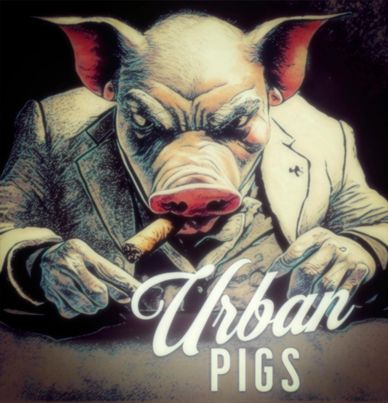
The pigeon appeared in my kitchen after I logged out of my therapy session. It was simply squatting on the hobs, staring at me with its evil eye.
“Get out, you plague bird,” I made a sweeping gesture towards the open window.
The terrible thing tilted its head to the left.
“Adelheid, where are your manners?”
Naturally, I gasped in shock. It had spoken to me – how dare it be capable of speech, this animal?
“My name is Heidi, and my manners are out the window with you! Shush!”
Again, the pigeon couldn’t be scared off. It sat immovable like a stone. And so our cohabitation began, by now lasting seven days, two hours and about twenty-five minutes. I have since been tortured by the bird’s presence, and despite all my best efforts I haven’t been able to drive it away. If anything, its stubbornness resulted in me being the one afraid to enter my own kitchen.
Today, my therapist said to me that it could merely be the figment of my imagination, but when I took the computer to the kitchen, opened the door a small bit and pointed the camera inside the room, he had to admit that the pigeon was there, still squatting on the hobs, preventing me from cooking a warm meal for one whole week now.
“Face your fears,” my therapist requested, “isn’t this your worst nightmare? Is this not the ultimate horror scenario allowing you to work through your phobia?”
I surely had to agree, for this flying rat in my house was the worst possible picture to paint, and now it had come true. Was this some sort of shitty Batman parody, with me being the mocked protagonist? Funnily enough, when I first beheld the bird, I felt nothing but rage. Rage at the audacity to confront me so boldly. Fear was nagging at my feet, of course, but having had these countless, costly therapy sessions, my amygdala had been desensitised enough to point my finger at the pigeon and demand it leave me alone. I fight back now, that’s what I thought. Then, however, avoidance crept in like a nasty worm, small at first but fattening. Therefore, I am now imprisoned in my own home and confined to the draughty sitting room. Because when I do enter the kitchen, the thing won’t stop talking to me. It won’t ever walk, fly, eat, shit, but it babbles and tilts its horrible head. But hell, I talk back.
Just now, as I am preparing my lunch at the kitchen table across the room, I can feel it taking a breath to begin again.
“You know why I’m here, don’t you?”
“No, to be completely honest with you, I don’t. You’re wasting your time on me,” I throw my hands in the air and glare at it. My eyes haven’t been able to kill it just yet.
“I am your father, Adelheid.”
“Excuse me?” I laugh out loud. “And my name is Heidi,” I add with a hiss.
“Isn’t it your father that gave you this phobia?” The pigeon coos.
“Ha, sure enough he did! But that doesn’t mean you are him,” I yell, “get out, you dirty, filthy, ugly plague bird.”
“You don’t ever give up, do you, Adelheid?”
My father used to call me Adelheid, I must admit, which supports the pigeon’s claim in an uncanny way.
“You’re dead right, you poisonous pigeon, I’m a fighter and survivor.”
“Ah yes, I know that. And yet, you’re so afraid of me.”
“Right, because your kind lives purposelessly in filth, and I want nothing to do with that,” I shout back.
“I am your father, you silly girl. You can’t run away from your genetics,” the bird cackles and shakes its head.
“Shut up, get out,” I roar, “I lived with grandpa in the Alps. There was no such thing as urban misery and seething sickness up there in his chalet. He never stained or pestered me, you monster. I remember exactly how you never brushed your teeth all week. You stank like dung.”
I bite my tongue because the bird got me to address it as my father. Damn.
“If you say so,” the pigeon readjusts its wings by flapping them ever so slightly. A horrendous sight. “And yet, the truth is you, too, will have to face decay and death one day.”
“It might be so, but not today,” I stomp my foot on the ground, “I’m done with you! I’ve escaped you before, and I won’t ever enter this room again until you leave.”
I storm towards the door, and just before I slam it, I hear its snarling voice: “I never leave. Even when you don’t see me, I’m still in your head.”
I am now sitting on the porch of the house. I forgot to take the food with me when I left the kitchen so hastily. I’m starving. What can I do now, being forced out of my own home so harshly by a hideous bird?
I trot into town, hands in pockets. There’s a beggar sleeping in front of Dunnes. Crows are pecking at the ice-cold fries that are scattered on the ground before him. Someone must have dropped them on their drunken journey home last night. Chewing gum is plastered all over the cobblestones. The town’s infamous alcoholic is singing songs in front of Penney’s, and I wish I could take the money from his hat as compensation for my ears’ pain and suffering. The crooked old man who always hangs out in front of the post office greets me.
“Howaya?”, his eyes graze all over my body as he stumbles toward me. His next step plunges his shoe in dog shit.
The single mum from across the road is pushing her pram along the pavement, her twin babies are crying and she is, too. Desperately pressing on, phone to the ear, a man’s voice yelling insults. A group of my Ukrainian students is waiting in front of the County Council, for what they don’t know. I’m off work, so I don’t make an effort to help. The filthy woman from the charity shop approaches on the main road and I take a quick turn into a little passage.
I take a breath. There’s no place on earth like the green, clean, peaceful chalet in the Alps. Opa, take me home. I pray but there is no answer. Opa is dead. Papa is sitting on my hobs, if the pigeon can be believed. Reality blurs and I can’t feel my hands. Another inhale, and the hope that I only imagined it all. Exhale, no I didn’t. I gotta face my fears. I walk back home with numb feet and can’t help but think of the awful hobbling pigeon I saw in Moscow last year, its mutilated claws.
I open the kitchen door, peek my head inside.
“There you are, Adelheid. Back so soon.”
“Fuck off,” I scoff, “but you’re right.”
“Oh yes? How so?” Now the pestering pigeon is intrigued.
“I can’t escape you. You’re all that I despise. I try to avoid everything connected to you, and yet it’s all around,” I offer in defeat.
“You see, just as I told you,” it coos, “so what are you going to do about that now?”
I think for a while, but no answer presents itself.
“I don’t know,” I shrug and leave the kitchen, carefully shutting the door behind me.
The next morning, I enter the kitchen with my duvet wrapped around me, my hands outstretched in front of my face like a shield. I squint through the slits between my fingers. A small white feather is floating in the air, just inches from the hobs, aiming down toward the speckled kitchen tiles. My fingers pull apart an inch. The pigeon is gone. Instead of its tilting head, the squatting, clumsy body with awful claws, a mess of grey-white down accuses me of something I can’t say I did. I take a cautious step closer and gasp, cover my mouth with my hand. The feathers are knitted together in the shape of a dress. A note enclosed: Adelheid. I shudder. Fine feathers make fine birds, isn’t that what they say?
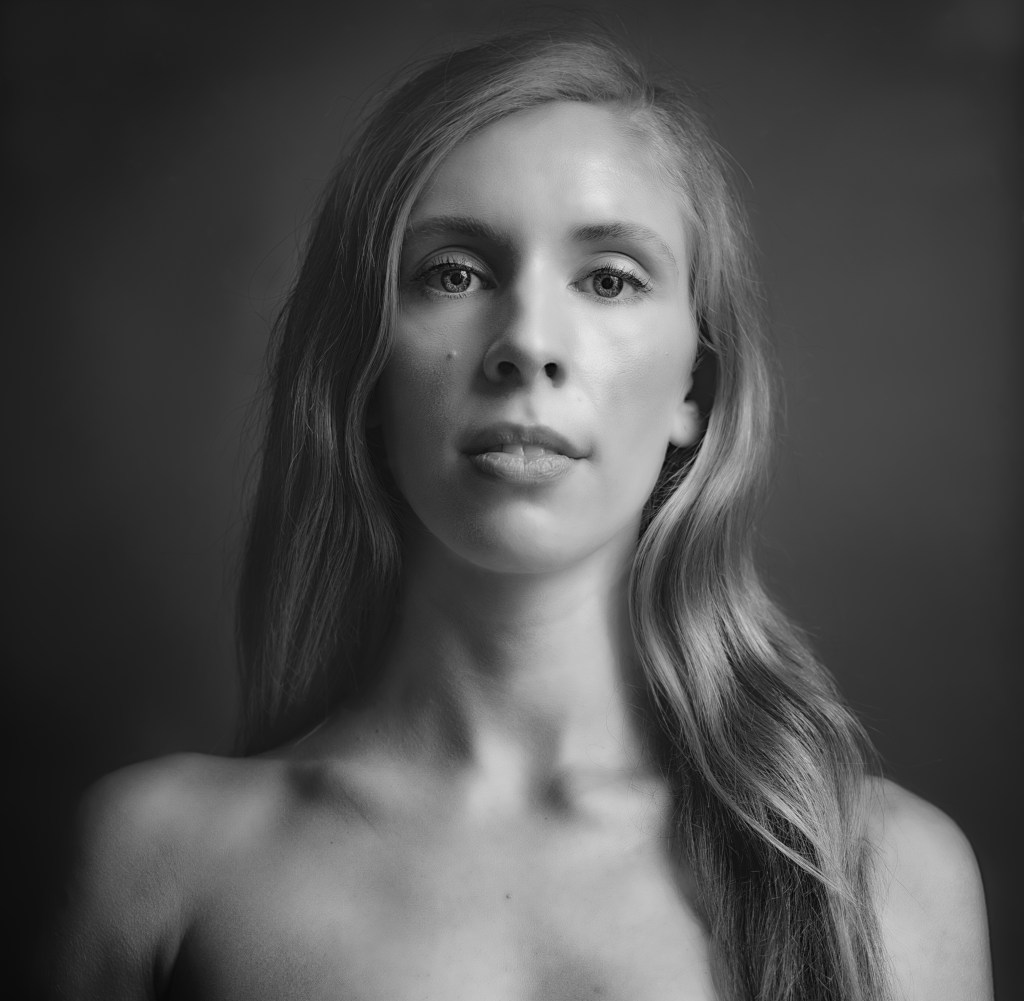
Christina Hennemann is a writer and artist based in Ireland. She’s a recipient of the Irish Arts Council’s Agility Award ’23 and she was longlisted in the National Poetry Competition. Her work is forthcoming or appears in Poetry Ireland, Poetry Wales, The Iowa Review, Skylight 47, The Moth, York Literary Review, The Storms, Impossible Archetype, Ink Sweat & Tears, Moria and elsewhere.
http://www.christinahennemann.com
Twitter: @chr_writer
Instagram: @c.h_92

 Urban Pigs Press
Leave a comment