

The red sedan idled between two white lines on the chipped blacktop of a parking lot across from the 7-Eleven. A placard on a green pole read, “All vehicles towed at owner’s expense.”
There used to be a video rental place at the far end of the lot. Eventually, it became a dollar store. Now it sat empty as cars came and went, parking only to run errands down the street.
Sally sat in the driver’s seat, her arm resting on the hard plastic of the door. A billboard overlooked the street. The model tilted his eyes toward the red sedan where Sally’s hand hung limply out the window and his gaze fell on her cigarette as it burned down between her two fingers.
She wore pink nail polish on short practical nails.
“Time to get to it,” she said and brought her arm carefully through the window, taking a drag before flicking the cigarette in an arc through the air. Her bag was open on the passenger seat, and she leaned over the center counsel, digging inside.
“Ahh, there you are.”
She held up a small bottle with a dropper cap and shook it to see how much liquid was left inside. The engine turned off and she stepped out onto the blacktop, closing the car door behind her as she scooted across the pavement and waited to cross the street.
It was 6:04 a.m. and the 7-Eleven already had a line at the cash register. A bell jingled as Sally came in through the glass door. “No Public Restrooms,” was spelled out on a crudely taped piece of paper.
“Mornin‘,” the attendant said.
His voice was different than Sally had pictured. It lacked that adolescent crack she thought it’d have.
There were a few minutes to kill so she sauntered over to the beverage cases, perusing the selection, settling on a black aluminum can of sparkling water. She headed down the aisle that housed breakfast bars and protein supplements and removed the small bottle from her pocket, held it in her palm discreetly to her side.
The bell jingled. Clarence came in through the door.
“Mornin‘,” the attendant said.
It had been a whole week since Sally chose Clarence. Sat outside his house, looking in at the warm light of his bedside lamp each night until it clicked off.
Early mornings she would watch him sip his coffee and scroll on his phone.
When he left the house, he would walk the same route, the same side of the street, at the exact same speed. Left foot, right foot, moving in worn brown doc martens, six eye, gray wool pants and a tan Harrington. He wore a red cap when it was a little cold.
As he entered the bank, he’d hang up his coat and say the same corny greeting to the tellers as they fondled cash and he walked to his small office toward the back. Then he’d get to work having boring conversations—mortgages and interest rates.
At home, he’d ring his neck trying to get his tie off, and then place it back in the front entry hallway. Sally would watch as he got comfortable, started picking at his skin in the bathroom mirror, popping zits on his neck and shoulders. Eventually he’d yank at his crotch in front of the television, wipe his palms off in the sink.
The man had rituals, adhered to a strict middle-class religious doctrine of frozen food and bad wardrobe. No wife, no children, no distinct personality to speak of. She figured no one was going to miss Clarence much.
Her hand arced, holding the dropper delicately over the right side of the aisle, releasing a few small drips of liquid onto the plastic wrapper of a Cliff Bar. Then, she slipped the dropper back into the bottle, which went back into her pocket. A few steps later she was in line behind a large woman wearing sweatpants and crocks who was purchasing three packages of cigarettes and was holding up the line.
Her card was declined though she insisted it was just the chip acting up.
Sally caught Clarence’s red cap out of the corner of her eye as he headed toward his usual aisle. The credit card machine kept beeping and the woman with the crocks threw her hands up and made an exasperated noise.
“Jeezus, this the fourth card I hadda get,” she said.
There was a hiss from Sally’s can of sparkling water as it cracked open. She took a long sip and felt the bubbles popping in her throat.
“Got any cash? Or another card?” The attendant said.
“Lemme try it one more time,” the woman in crocks said as she wiped the plastic back and forth against the thigh of her sweatpants.
Clarence emerged from the aisle with a Cliff bar in his hand and stood in line behind Sally.
She made no eye contact. Looked straight past the attendant at the Newport Pleasure advertisement hanging in the window. She thought about cancer, how it got deep inside you, in your cells, spread through the body.
She thought of cigarette packs, cubes, and tracheotomies. Then she thought about death.
The first time Sally had killed a man, she was ten years old. The whole family—mom, dad, and her—were out on her front lawn while her father washed the car.
Her mother had given her a can of cola. It felt cold in her hand, and she remembered hearing a noise that grew louder, humming from down the street.
She didn’t know what came over her, it was like some innate instinct that forced her running toward the noise, barefoot, flowing sleeves of her shirt.
It grew louder still. Like lighting moving across the pavement, and before she knew it, she had thrown the can, as hard as she could, eyes shut tight, until the loud noise sputtered, hit the ground, and scraped against the double yellow lines.
The man with long hair was riding his motorcycle going about fifty miles an hour down the street.
The can hit him on his left eye, his body bucked, and he turned the handlebars downward, crashing the whole thing down on the pavement.
Everything went silent for a moment. Sally opened her eyes, saw the man’s head busted open, saw him pouring out.
Her mother screamed and Sally could feel her father tugging her small body, turning her away, but the image remained as she looked toward their house—the red front door, her bicycle against the garage, her mother’s face twisted, mouth gaping open—and she could hear the cola spraying out of the can like a blocked-up spigot.
It was the best day of her life. But that was a long time ago. Now, she just wanted to be back across the street, watching Clarence through the freshly squeegeed windows, throwing cigarette butts from her car. She’d give anything.
But life’s what happens when you’re busy making plans, she thought.
There was a wheezing noise from behind and she felt Clarence’s breath hitting her neck.
If only she could look at his face. Then she could see it happen, see the life begin to fade from his eyes, drip out onto the floor. She could scoop it up in cupped hands, sip it.
But she looked straight ahead, as if she knew nothing, just another customer. She focused on the heat of the coffee in her hand; too hot, so she sipped again from the sparkling water.
The attendant looked up at Sally with an apologetic face as the woman in crocks continued to insert her card into the machine, trying to penetrate it with force. But then his eyes said, “Oh shit!”—they gaped open as he looked past Sally, through her.
“Hey man, are you alright?” he said.
The woman with the crocks turned around slowly, and, like the attendant, her eyes moved to Clarence.
“What’s wrong with your face!” She extended her pudgy finger accusingly.
Sally could only glance up at the video monitor behind the counter to see the rendered images of Clarence and the red hives sprouting up quickly all over his body—colonizing him like some far-off island, taking him over as they grew vibrant and spread their way down his throat.
He made noises—choking, drowning on something—and flailed his short arms in wide circles, airways closed, coughing thick and wet.
“Needa hand sir?” The attendant asked.
Clarence’s legs gave out. He fell to the floor, hitting his head against the corner of the coffee station on the way down, spilling red plastic stirrers all over the beige tile.
“Call an ambuhlance,” the woman in crocks told the attendant.
By the time the paramedics got there, Sally was smoking a cigarette on the curb.
They zipped up the bag and hoisted him up into the back of the wagon.
One of the paramedics came over, eye-fucked her, and asked her what happened. She told him she didn’t really see much; she wasn’t from around there and was looking the other way all that.
She threw her cigarette on the ground, twisted it out with her sneaker as the paramedic headed back to the wagon.
It’s not as good to be involved, she thought, takes some of the fun out of it.
The woman in the crocks and sweatpants talked to someone on her cell phone, pushing the door open with her body, rolling along it as she exited.
“Beth, you won’t believe what just happened,” the woman said.
She had her phone tucked between her shoulder and ear as she smacked one of the packs of cigarettes against her palm like a baby.
She spoke loudly, saying that it was really something.
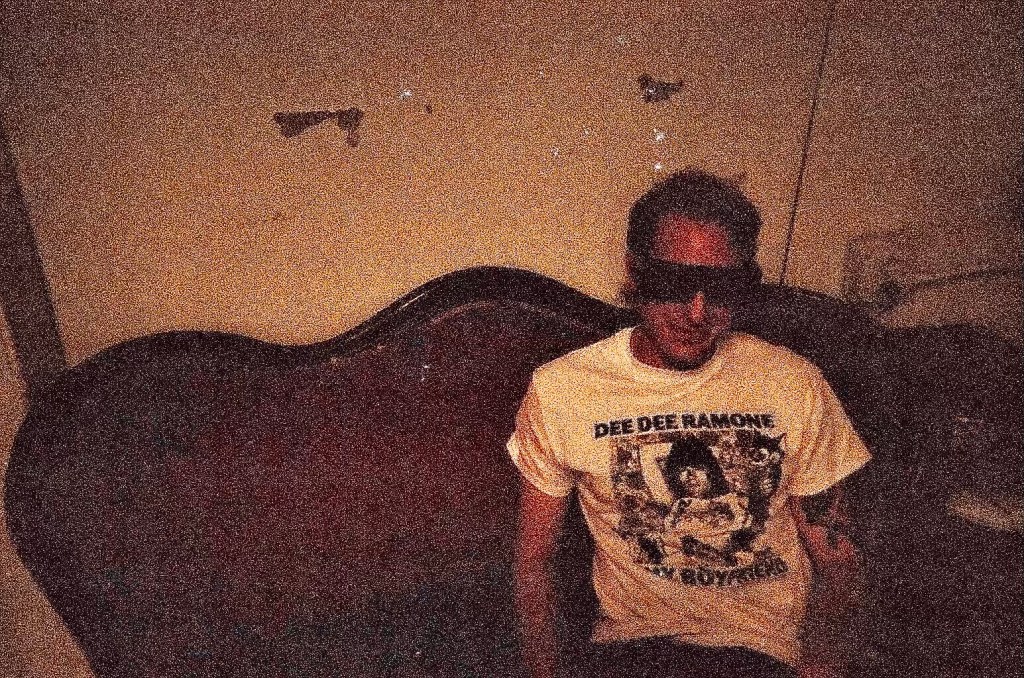
Stephan Zguta lives in New York City. His job is far away from his house so he takes the train every day and stares at people. He has written about trashy and transgressive cinema, and sometimes he writes fiction.
X (Twitter) @anonmenthol

 Urban Pigs Press
Leave a comment